
-
Mail Address
vetviju@gmail.com

The RIVER/Commonwealth Veterinary Association Rabies Diagnosis Laboratory has taken a major step towards strengthening rabies control in Puducherry, successfully training 20 government veterinarians through an intensive capacity?building programme this week. Organized by the Department of Veterinary Public Health and Epidemiology (VPHE) at the Rajiv Gandhi Institute of Veterinary Education and Research (RIVER) in collaboration with the Department of Animal Husbandry & Animal Welfare, Government of Puducherry, the programme ran in two batches on 6 and 7 July 2026, with 10 Veterinary Assistant Surgeons in each batch.
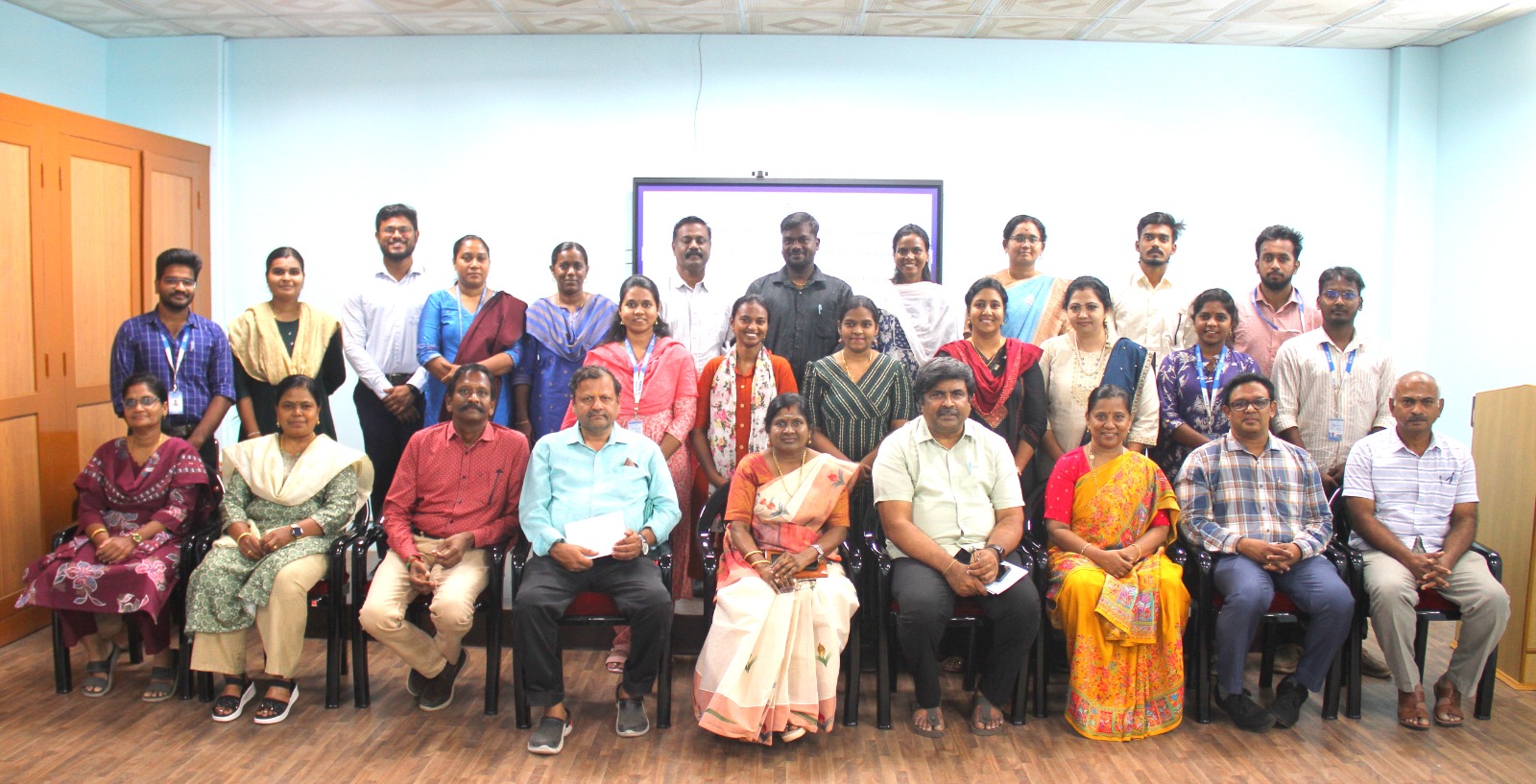
Over the two days, participants from field veterinary institutions across the Union Territory received comprehensive exposure to rabies epidemiology, prevention and control strategies, and the One Health framework that links animal and human health interventions. The course also covered biosafety practices, correct techniques for sample collection and transport, and hands?on training in modern rabies diagnostic methods, with live demonstrations of laboratory procedures at the RIVER/Commonwealth Veterinary Association Rabies Diagnosis Laboratory.
The inaugural session on 6 July was held at RIVER and was graced by Dr. G. Latha Mangeshkkar, Director, Department of Animal Husbandry & Animal Welfare, Puducherry, as Chief Guest, while Dr. K. Murugavel, Dean, RIVER, presided over the function. Faculty from VPHE and the rabies lab guided the technical sessions, reflecting RIVER’s growing role in supporting evidence?based rabies surveillance and control efforts in the region.
Speaking about the initiative, programme coordinator Prof. V. Bhanu Rekha of VPHE acknowledged the “blessings, guidance and inspiration” of noted rabies expert Dr. Shrikrishna Isloor, whose long association with rabies diagnostic laboratories in India and the Commonwealth Veterinary Association has helped shape training models for veterinarians. “With his encouragement, we have been able to conduct this first?ever capacity?building programme on rabies for veterinarians in Puducherry,” she said, adding that the team hopes to expand the training to more batches and to other cadres of animal health workers in coming months.
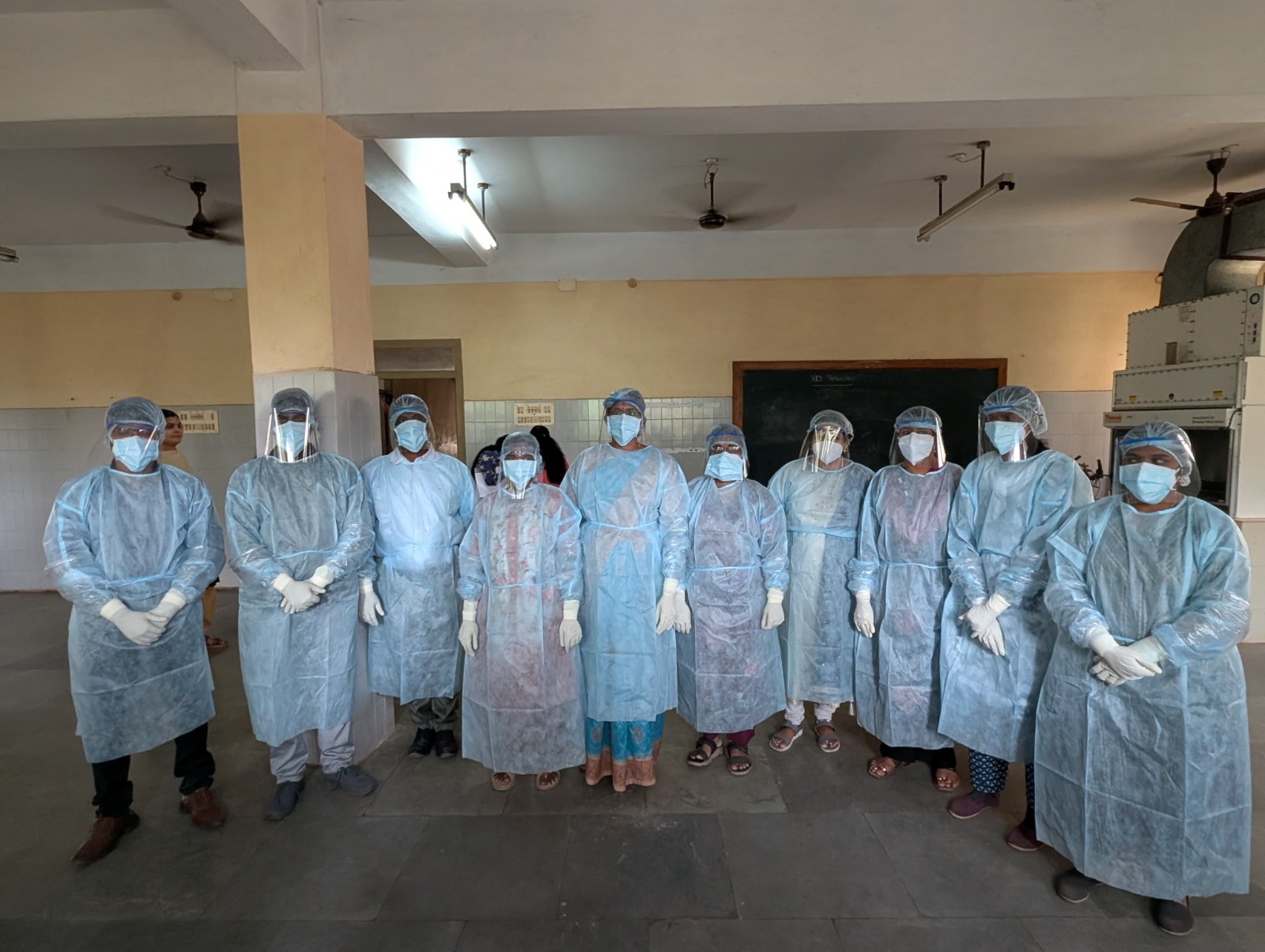
With rabies remaining a significant public and animal health threat in many parts of India, experts have repeatedly stressed the importance of practical training in diagnostics, reporting, and coordinated One Health action plans. The Puducherry programme is expected to strengthen frontline veterinary response to suspected rabies cases, improve quality of sample submission to laboratories, and support the Union Territory’s efforts to contribute to India’s broader goal of dog?mediated human rabies elimination by 2030.